Introduction
Repairing septal defects is important for a healthy heart. Septal defects are holes in the wall that separates the heart’s chambers. These holes can affect blood flow and strain the heart. Because of this, early treatment is key. Today, modern heart surgery techniques offer safe and effective solutions. In many countries, including the United States and India, advanced care is now widely available.
Symptoms and Diagnosis
Often, septal defects do not cause symptoms at first. However, as time passes, some people may notice signs such as:Shortness of breath, especially during activityFrequent lung infectionsFatigue or feeling tired easilyHeart murmurs (unusual heart sounds)Poor growth in children
Doctors use several tests to diagnose septal defects. For example, they may use:Physical exams to listen for heart murmursChest X-rays to check heart sizeElectrocardiograms (ECG) to study heart rhythmsEchocardiograms (heart ultrasound) to see the defect
Early diagnosis helps guide the best treatment plan.
Causes
Most septal defects are present at birth. These are called congenital heart defects. Sometimes, the cause is not clear. However, certain factors can raise the risk, such as:Family history of heart defectsMother’s illness during pregnancy, like rubellaUse of certain drugs or alcohol during pregnancyGenetic conditions, such as Down syndrome
Although rare, septal defects can also develop later in life after a heart attack.
Modern Surgical Options
Today, doctors use several methods for septal defect surgery. The choice depends on the defect’s size, type, and location. Let’s look at the main options:
1. Open-Heart Surgery
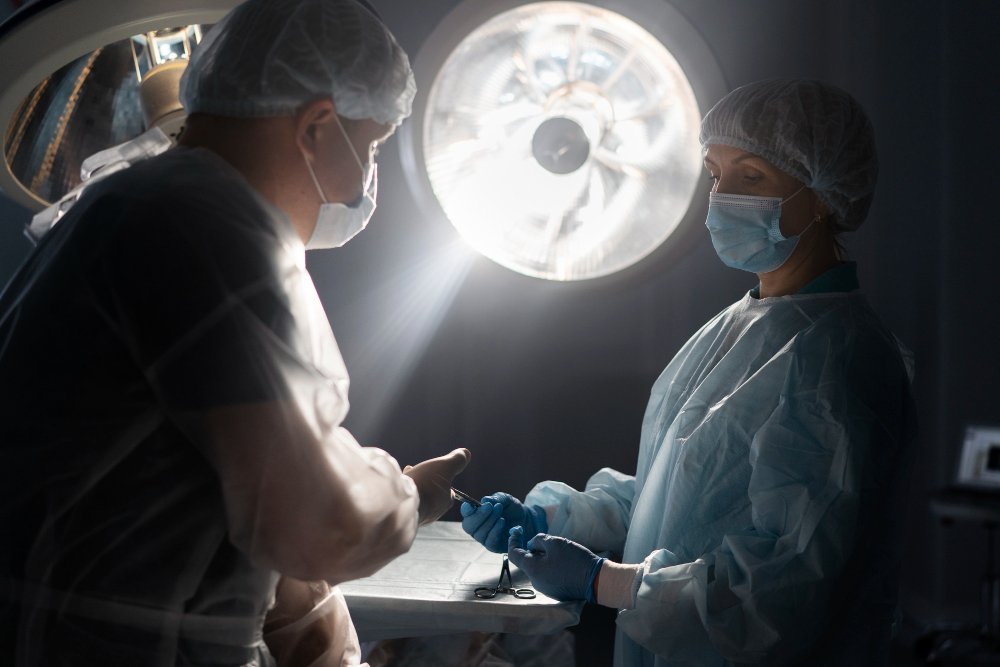
Traditionally, surgeons repair the defect by opening the chest and heart. They use a patch or stitches to close the hole. Although this method is effective, it requires a longer recovery time. Still, it remains the best choice for large or complex defects.
2. Minimally Invasive Cardiac Surgery
Now, many hospitals offer minimally invasive cardiac surgery. Surgeons make small cuts between the ribs. They use special tools and a camera to repair the defect. Because of this, patients often heal faster and have less pain. However, not all defects can be fixed this way.
3. Catheter-Based Procedures
For some atrial septal defect repairs, doctors use a thin tube called a catheter. They insert it through a blood vessel in the leg and guide it to the heart. Then, they place a small device to close the hole. This method avoids chest surgery and offers a quick recovery. Yet, it works best for certain types of defects.
Comparing Benefits and Risks
Open-heart surgery is reliable but needs longer hospital stays.Minimally invasive surgery causes less pain and scarring.Catheter-based treatment is less invasive and offers a fast return to daily life.All surgeries carry some risks, such as infection or bleeding. However, modern techniques have made these risks much lower.
Doctors will help you choose the safest and most effective option.
Recovery and Aftercare
After septal defect surgery, most people stay in the hospital for a few days. Recovery time depends on the type of surgery. For example, catheter-based procedures often allow you to go home the next day. Open-heart surgery may need a week or more in the hospital.
After leaving the hospital, follow your doctor’s advice. Here are some common tips:Take medicines as prescribedAttend all follow-up visitsWatch for signs of infection, such as fever or rednessStart light activity as advisedEat a heart-healthy diet
With proper care, most people return to normal life within a few weeks.
Prevention and Lifestyle Guidance
While not all septal defects can be prevented, you can protect your heart health. For example:Do not smoke or use tobaccoEat plenty of fruits, vegetables, and whole grainsExercise regularly, as your doctor allowsManage stress and get enough sleepSee your doctor for regular check-ups
For women planning a pregnancy, early prenatal care is important. Avoid alcohol and harmful drugs. Vaccinations, like rubella, can also help prevent some birth defects.
Conclusion
In summary, repairing septal defects is safer and easier than ever before. Modern heart surgery techniques, including minimally invasive options, offer hope for many. If you or your child has a septal defect, consult a cardiac specialist at Vamsi Cardiac Center for personalized advice on septal defect repair.