Introduction to Heart Health in High-Risk Pregnancy
Heart health in high-risk pregnancy is very important for both mother and baby. Some women face extra risks during pregnancy, especially if they have heart problems. Because of this, doctors pay close attention to heart care in these cases. Early care can help prevent serious issues. According to the CDC, heart disease is a leading cause of pregnancy-related deaths. Therefore, understanding heart health in high-risk pregnancy is key for expectant mothers and their families.
Common Heart-Related Risks in High-Risk Pregnancies
Many heart problems can affect pregnant women. Some are present before pregnancy, while others develop during pregnancy. For example, high blood pressure and heart rhythm problems are common. In addition, some women may have heart valve issues or heart failure. These conditions can make pregnancy more dangerous. However, with good care, many women have healthy pregnancies.High blood pressure (hypertension)Heart rhythm problems (arrhythmias)Heart valve diseaseHeart failureBlood clots
Symptoms to Watch For
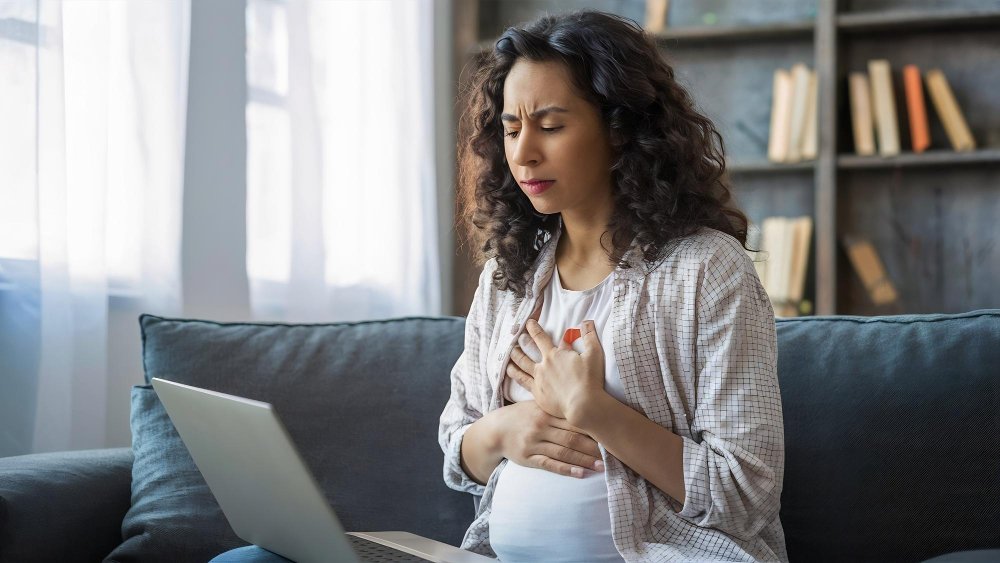
It is important to know the warning signs of heart problems during pregnancy. Early detection can save lives. If you notice any of these symptoms, contact your doctor right away:Shortness of breath, even at restChest pain or pressureSwelling in the legs, ankles, or feetFast or irregular heartbeatSevere tirednessSudden weight gain
Sometimes, these symptoms can seem normal in pregnancy. However, if they are severe or sudden, they may signal a heart problem.
Causes and Risk Factors
Several factors can increase the risk of heart problems in pregnancy. For instance, women with existing heart disease face higher risks. Age also plays a role. Women over 35 are more likely to have heart issues. Other risk factors include:High blood pressure before pregnancyDiabetesObesitySmokingFamily history of heart diseaseMultiple pregnancies (twins or more)
Because of these risks, doctors often monitor high-risk pregnancies more closely.
Diagnosis and Monitoring Methods
Doctors use several tools to check heart health in high-risk pregnancy. First, they may do a physical exam and ask about symptoms. Next, they might order tests such as:Electrocardiogram (ECG) to check heart rhythmEchocardiogram (heart ultrasound) to see heart structureBlood tests to check for heart strainBlood pressure monitoring
Regular check-ups help catch problems early. In some cases, doctors may suggest more frequent visits or hospital stays for close monitoring.
Treatment Options and Anaesthesiology Considerations
Treatment for heart problems during pregnancy depends on the condition. Often, doctors use medicines that are safe for both mother and baby. Sometimes, changes in medicine doses are needed. In severe cases, hospital care may be required. If surgery or delivery is needed, anaesthesiology for pregnant women with heart conditions is very important. Anaesthesiologists work closely with heart and pregnancy specialists to keep both mother and baby safe. They choose the safest anaesthesia methods and monitor the heart closely during procedures.
Lifestyle and Self-Care Tips for Expectant Mothers
Good self-care can help manage heart health in high-risk pregnancy. Here are some helpful tips:Eat a balanced, low-salt dietStay active with gentle exercise, as advised by your doctorAvoid smoking and alcoholTake medicines exactly as prescribedGet enough rest and sleepAttend all prenatal appointments
Additionally, always talk to your doctor before starting any new activity or medicine.
Prevention Strategies for Heart Complications
While not all heart problems can be prevented, some steps can lower your risk. For example, managing blood pressure and diabetes before pregnancy helps. Also, maintaining a healthy weight and quitting smoking are important. If you have a known heart condition, see a specialist before getting pregnant. Early planning and regular care can make a big difference.
When to Seek Medical Help
It is important to know when to get help. Call your doctor or go to the hospital if you have:Severe chest painSudden shortness of breathFainting or dizzinessRapid swelling of the legs or faceIrregular or very fast heartbeat
Quick action can save lives. Never ignore serious symptoms.
Conclusion
Heart health in high-risk pregnancy needs special care and attention. With early diagnosis, proper treatment, and healthy habits, many women have safe pregnancies. For the best results, always follow your doctor’s advice. Consult a specialist at Vamsi Cardiac Center for personalized guidance on heart health during high-risk pregnancy.